Questions to Ask Before Rolling Over a Retirement Account
The transfer decision that can change decades of outcomes.

“The transfer decision that can change decades of outcomes.”
A rollover can simplify accounts, but it may also change fees, investments, creditor protections, tax treatment, and access to money.
First ask whether to move it at all
Compare leaving assets in an employer plan, moving them to a new employer plan, using an IRA, or taking a distribution. Eligibility and features vary by plan.
Separate direct rollovers from cash-outs
A direct rollover generally moves eligible retirement funds between custodians without the participant receiving the money. Taking possession may trigger withholding and strict deadlines; distributions can create taxes and penalties.
Watch special features
Employer stock may qualify for net unrealized appreciation treatment in some circumstances. Certain plans offer institutional pricing, loans, or age-based withdrawal exceptions not available in IRAs.
Evaluate the receiving account
Review advisory costs, fund expenses, surrender charges, liquidity restrictions, investment options, beneficiary setup, and whether a fiduciary recommendation is documented.
Conceptual or hypothetical comparison. Not a guarantee or actual product illustration.
Request a side-by-side written comparison of all available destinations before signing transfer forms.
What to do next
Request written explanations of fees, restrictions, assumptions and alternatives. Consider the strategy in the context of your entire financial life, and review it with appropriately qualified professionals.
Make your next financial decision a coordinated one.
Explore more practical financial education from Winning In Wealth and start making more intentional decisions about your financial future.
About the author
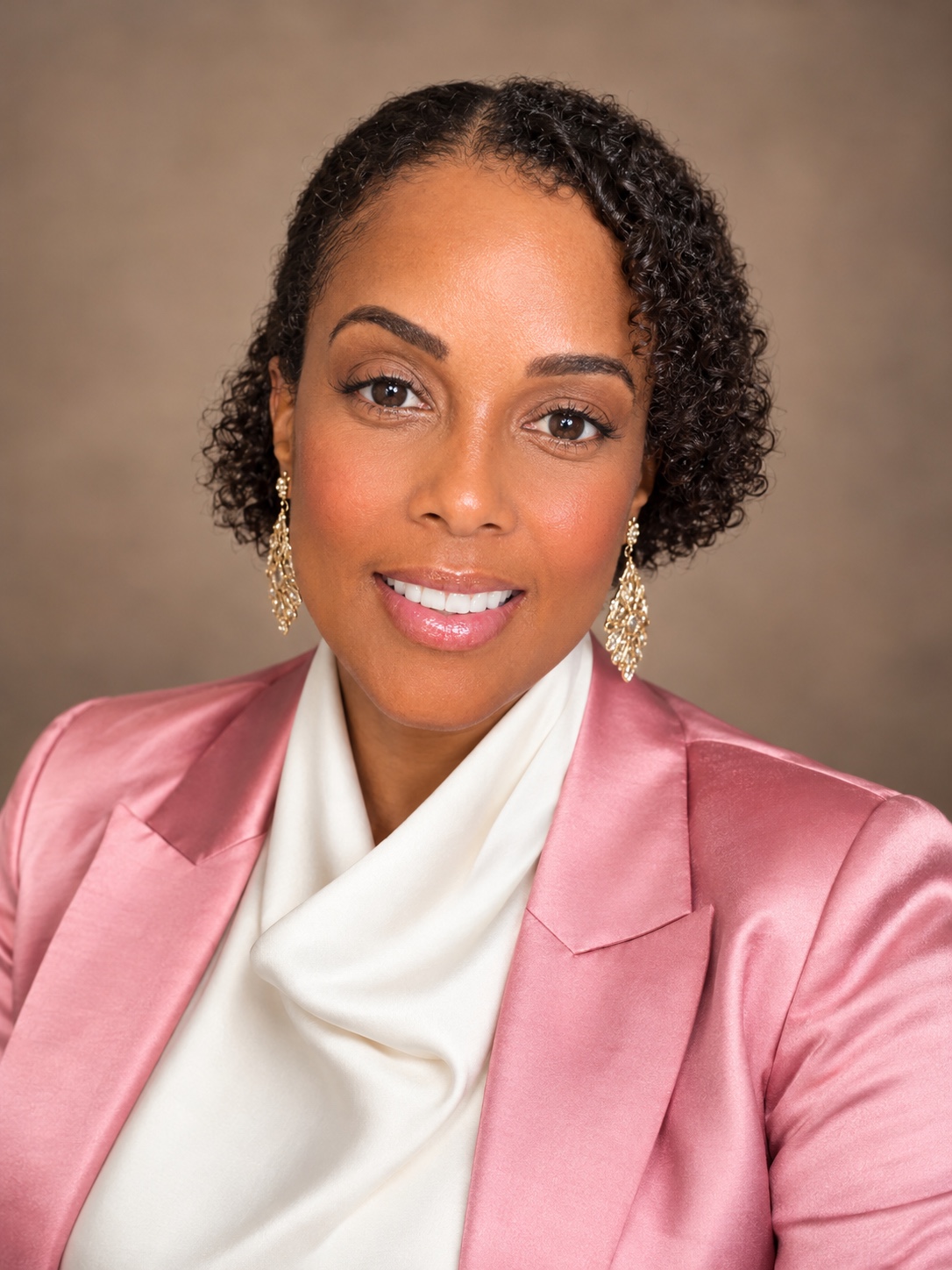
Natalie Taylor is the founder of Winning In Wealth, a financial services agency established in 2015 to empower individuals and business owners to make money, keep money, build wealth and create a legacy. She is licensed in all 50 states, previously worked on Wall Street with Credit Suisse and Ernst & Young, and holds an MBA in Strategy and a BSc in Accounting and Finance. Read her full bio
Sources and further reading
Educational disclosure
This article is for general education and does not constitute individualized investment, insurance, tax or legal advice. Financial products and strategies involve costs, limitations and risks. Any guarantees depend on contract terms and the issuing insurer's claims-paying ability. Examples are hypothetical. Consult appropriately qualified professionals before making decisions.