Is Your Old 401(k) Quietly Costing You? Here's How to Find Out.
Old employer plans quietly rack up hidden fees, sit over-concentrated in a single stock, and offer zero guaranteed-income options — often for years after you've stopped paying attention. A rollover review takes minutes and could put thousands back in your pocket.
Watch This Before You Do Anything With an Old 401(k)
Most people have at least one old retirement account they've lost track of. Here's how to find it, and what to check for once you do.
Get My Free Rollover Check →
























You changed jobs. Your 401(k) didn't come with you — and it's still charging you for it.
If you've ever left an employer, there's a good chance you left a retirement account behind too. Old plans don't disappear — they just sit there, quietly collecting administrative fees, holding too much employer stock, and offering none of the guaranteed-income options a rollover could unlock.
- You have a 401(k), 403(b), or TSP with a former employer
- You're not sure what fees you're actually paying
- You want guaranteed income options your old plan doesn't offer
- You have several old accounts and want them working as one
This Is What "Found Money" Actually Looks Like
An old account you'd forgotten about, finally working as hard as the rest of your retirement plan.
Found a 401(k) from a job I left 12 years ago — over $40,000 sitting in a fund charging fees I never knew about.
Rolled three old accounts into one and finally got a real answer on what my retirement income will actually look like.
No more guessing whether my old plan is doing anything for me — now it's earning toward guaranteed income for life.
What an Old 401(k) Is Actually Costing You
Old employer plans carry three quiet risks. Here's what to check for, and a real-math look at what fees alone can cost you over time.
Risk 1 — Hidden & Layered Fees
Administrative fees, fund expense ratios, and record-keeping charges quietly stack on top of each other every year — and most statements bury them in fine print.
Best case
Common
Not unusual
Worth checking
A 1% difference in annual fees on a $250,000 balance can add up to tens of thousands of dollars lost over 20 years — not because the market did anything different, but because fees compound too.
Hidden Fee Finder
Enter your balance and estimated expense ratio for a rough, real-math look at what fees alone could cost you over time. This is an estimate for educational purposes only — not a guarantee.
Hypothetical estimate assuming a flat balance and compounding fee drag for illustration only. Does not account for market growth, contributions, or withdrawals. Not a guarantee of any outcome.
Risk 2 — Over-Concentration in Employer Stock
Many old 401(k)s are still holding a heavy allocation of the former employer's own stock — putting your retirement and your paycheck history in the same basket.
Risk 3 — No Guaranteed Income Options
Old employer plans are built for accumulation, not income. Most offer no path to a guaranteed paycheck for life — that has to be built somewhere else.
Leave It Where It Is
- Keeps paying plan fees
- No new guaranteed options
- Easy to forget about
Cash It Out
- Taxes due immediately
- Possible early withdrawal penalty
- Loses tax-deferred growth
Roll It Into an IRA
- Keeps tax-deferred status
- More investment & income options
- Can add guaranteed lifetime income
Leave It, Cash It Out, or Roll It — Side by Side
Every old retirement account has five real paths forward. Here's how they compare on the things that actually matter.
| Category | Leave It | Cash Out | Roll to New Employer | Roll to IRA | Roll Into FIA-Backed IRA |
|---|---|---|---|---|---|
| Low / Known Fees | — | ✓ | — | ✓ | ✓ |
| Control Over Investments | — | — | — | ✓ | ✓ |
| Avoids Taxes & Penalties Now | ✓ | — | ✓ | ✓ | ✓ |
| Guaranteed Income Option | — | — | — | — | ✓ |
| Protection From Market Loss | — | — | — | — | ✓ |
| Consolidates Old Accounts | — | — | ✓ | ✓ | ✓ |
← Swipe sideways to see the full table →
Illustrative comparison for educational purposes. Specific features, fees, and penalties vary by plan, carrier, and state.
A rollover is not a taxable event when done correctly, whether it's a direct trustee-to-trustee transfer or a properly completed 60-day rollover. Cashing out, on the other hand, is one of the most expensive moves you can make with an old retirement account.
How a Rollover Actually Works
This is the simple, 4-step path from "forgotten old 401(k)" to "part of my real retirement plan."
Locate old plans and get a clear read on current fees and holdings
Leave it, roll it, or consolidate — based on your real numbers
A direct, trustee-to-trustee transfer — no taxable event
Consolidated, fee-reviewed, and open to guaranteed income options
Strategies Inside This Category
401(k), IRA & Retirement Account Rollovers covers five specific strategies. Pick the one that matches your situation.
More Short Videos on Rollovers, Explained Simply
No pressure, no jargon — just clear explanations before you ever get on a call with us.
We're Here to Provide Value and Make an Impact
A rollover is often just the first move. Here's the rest of what we help families build.
Backed by the Companies Retirees Already Trust
In partnership with Ethos — a technology platform backed by venture firms including Sequoia Capital and SoftBank — and 25+ A-rated, Fortune 500 financial institutions.


Meet Natalie Taylor
Natalie is a Licensed Financial Professional and Tax Strategist with a career spanning Wall Street, global entrepreneurship, and corporate strategy. She founded Winning in Wealth Now to give professionals, business owners, and retirees a one-stop shop for tax-advantaged strategies, protected growth, and retirement income they can count on — starting with making sure no old retirement account gets left behind.
She has been featured in Yahoo Finance, ABC/FOX, and Black Enterprise, and has guided thousands of individuals and businesses through Winning In Wealth Networks' programs, including Life Architect and the Multi Six Figures Society.
401(k) Rollovers, in Plain English
It stays invested and keeps paying whatever administrative and fund fees the plan charges — often without you noticing, since old-employer statements are easy to stop opening. It also stays locked into whatever investment menu that specific plan offers, which usually doesn't include guaranteed lifetime income.
A rollover moves your balance directly into another retirement account (like an IRA) with no taxes due and no penalty, because the money never technically becomes "yours" outside a retirement account. Cashing out means the balance becomes taxable income immediately, and if you're under 59½ it can also trigger a 10% early withdrawal penalty.
Yes. Rolling an old 401(k) into an IRA opens the door to products — like a Fixed Index Annuity — that most employer plans simply don't offer, including a contractual floor against market loss and an income stream you can't outlive.
A properly executed direct (trustee-to-trustee) rollover typically carries no taxes and no penalty. Some plans charge a small administrative fee to process the transfer, and the receiving account may have its own fee schedule — both are worth reviewing before you move, which is exactly what a fee review is for.
For most people, yes. Consolidating old accounts into one IRA makes it far easier to see your real fees, your real allocation, and your real path to income, instead of managing three or four separate old-employer logins you rarely check.
From the Winning in Wealth Now Blog
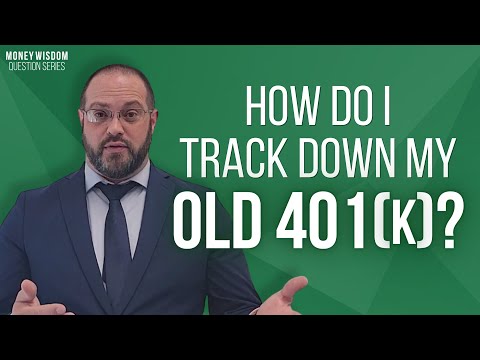
Is Your Old 401(k) Working as Hard as You Did?
Tell us a little about your old accounts and we'll show you exactly what they're costing you today, and what your options look like — no pressure, no obligation, just your real numbers.
Tell Us a Little About Your Old Accounts
Fill this out and we'll follow up right away with a clear read on your options.
Already know you'd rather just talk it through? 📞 Book a Call Directly →