Move an Old Employer Plan Without a Costly Mistake.
Old 401(k)s from previous employers are often left on autopilot, sitting in outdated funds with fees nobody is watching. Moving them the right way — not the expensive way — is the whole game.
Watch This 2-Minute Video Before Anything Else
No jargon, no pressure — just a clear explanation before you ever get on a call with us.
Get My Free Strategy Call →

























How the rollover gets done matters as much as whether you do it.
We review whether a rollover to an IRA or another qualified structure could reduce fees, expand investment options, or better align with your overall plan — and just as importantly, make sure it's executed the right way so nothing gets taxed by mistake.
- You have a 401(k), 403(b), or TSP with a former employer
- You're not sure if a rollover would even help
- You want to avoid an accidental tax bill on old savings
- You want more investment or income options than the old plan offers
Direct Rollover vs. Indirect (60-Day) Rollover
There are two ways to move a qualified plan. One of them carries real risk if the timing slips.
The IRS limits indirect (60-day) IRA-to-IRA rollovers to one per 12-month period across all your IRAs combined — but direct, trustee-to-trustee transfers have no such limit and are almost always the safer route.
Indirect Rollover Withholding Calculator
See what a 20% mandatory withholding actually looks like in dollars if a rollover isn't done as a direct transfer.
Illustrative only. Actual withholding rules and any penalties depend on plan type, age, and how the rollover is executed. Always confirm with your plan administrator before initiating a distribution.
Leave It, Indirect Rollover, or Direct Rollover
Here's how the three real paths compare on the things that actually matter.
| Category | Leave It | Indirect (60-Day) Rollover | Direct (Trustee-to-Trustee) |
|---|---|---|---|
| Mandatory Withholding | — | 20% | None |
| Deadline Risk | — | 60 Days | None |
| Tax-Free If Done Right | ✓ | ✓* | ✓ |
| Simple Paperwork | ✓ | — | ✓ |
| New Investment/Income Options | — | ✓ | ✓ |
← Swipe sideways to see the full table →
*Only if the full original balance, including any withheld amount, is deposited within 60 days. Illustrative comparison for educational purposes; confirm specifics with your plan administrator.
How a Qualified Plan Rollover Actually Works
This is the simple, 4-step path we walk you through, done the direct way.
Fees, holdings, and whether a move actually helps
An IRA or other qualified structure that fits your goals
Trustee-to-trustee, no withholding, no 60-day clock
No taxable event, no gap in your retirement savings
Other Strategies in This Category
More on This Strategy, Explained Simply
No pressure, no jargon — just clear explanations before you ever get on a call with us.
We're Here to Provide Value and Make an Impact
This strategy is often just one piece of a bigger plan. Here's the rest of what we help families build.
Backed by the Companies Retirees Already Trust
In partnership with Ethos — a technology platform backed by venture firms including Sequoia Capital and SoftBank — and 25+ A-rated, Fortune 500 financial institutions.


Meet Natalie Taylor
Natalie is a Licensed Financial Professional and Tax Strategist with a career spanning Wall Street, global entrepreneurship, and corporate strategy. She founded Winning in Wealth Now to give professionals, business owners, and retirees a one-stop shop for tax-advantaged strategies, protected growth, and retirement income they can count on.
She has been featured in Yahoo Finance, ABC/FOX, and Black Enterprise, and has guided thousands of individuals and businesses through Winning In Wealth Networks' programs, including Life Architect and the Multi Six Figures Society.
In Plain English
You're never required to move it — leaving it in place is always an option. The question is whether the old plan's fees, investment menu, and lack of guaranteed-income options are still serving you as well as a rollover could.
Most old employer plans layer administrative fees, fund expense ratios, and sometimes record-keeping charges on top of each other. Very few statements make the total obvious, which is exactly why a fee review is worth doing before deciding anything.
A properly executed direct (trustee-to-trustee) rollover does not trigger taxes. An indirect rollover can trigger taxes and penalties if the full amount, including any withheld portion, isn't redeposited within 60 days — which is why we default to direct transfers whenever possible.
Most direct rollovers complete within a few weeks, though timing depends on your old plan's processing speed and paperwork requirements. We manage the back-and-forth so it moves as quickly as your old provider allows.
Yes. If you've had several employers, it's common to consolidate multiple old 401(k)s or similar plans into a single IRA, which also makes it far easier to track fees and manage one coordinated strategy going forward.
No. A rollover strategy for an old plan is entirely separate from your active employer's plan, and typically only applies to accounts from employers you've already left.
From the Winning in Wealth Now Blog
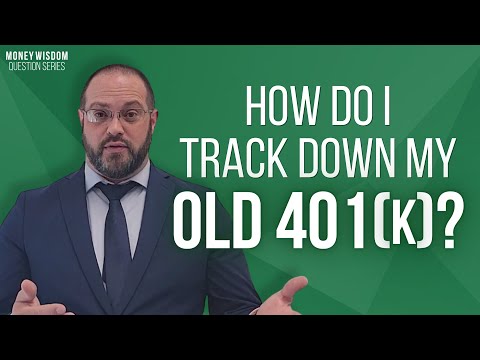
Is Your Old 401(k) Quietly Costing You? The Case for a Strategic Rollover
The full breakdown of hidden fees, employer-stock concentration, and why a rollover is worth a second look.
The Retirement Account Ceiling: Contribution Limits Every High Earner Needs to Know
What the annual IRS caps and income phase-outs actually mean for your rollover and contribution strategy.
More From the Blog
Browse all articles on taxes, retirement, and wealth-building strategy.
Ready to Move an Old Plan the Right Way?
Tell us a little about your old plan and we'll show you exactly what a direct rollover would look like — no pressure, no obligation.
Tell Us a Little About Your Goals
Fill this out and we'll follow up right away with your personalized next steps.
Already know you'd rather just talk it through? 📞 Book a Call Directly →