Stacking Strategies
How wealthy families combine multiple tax-advantaged tools.
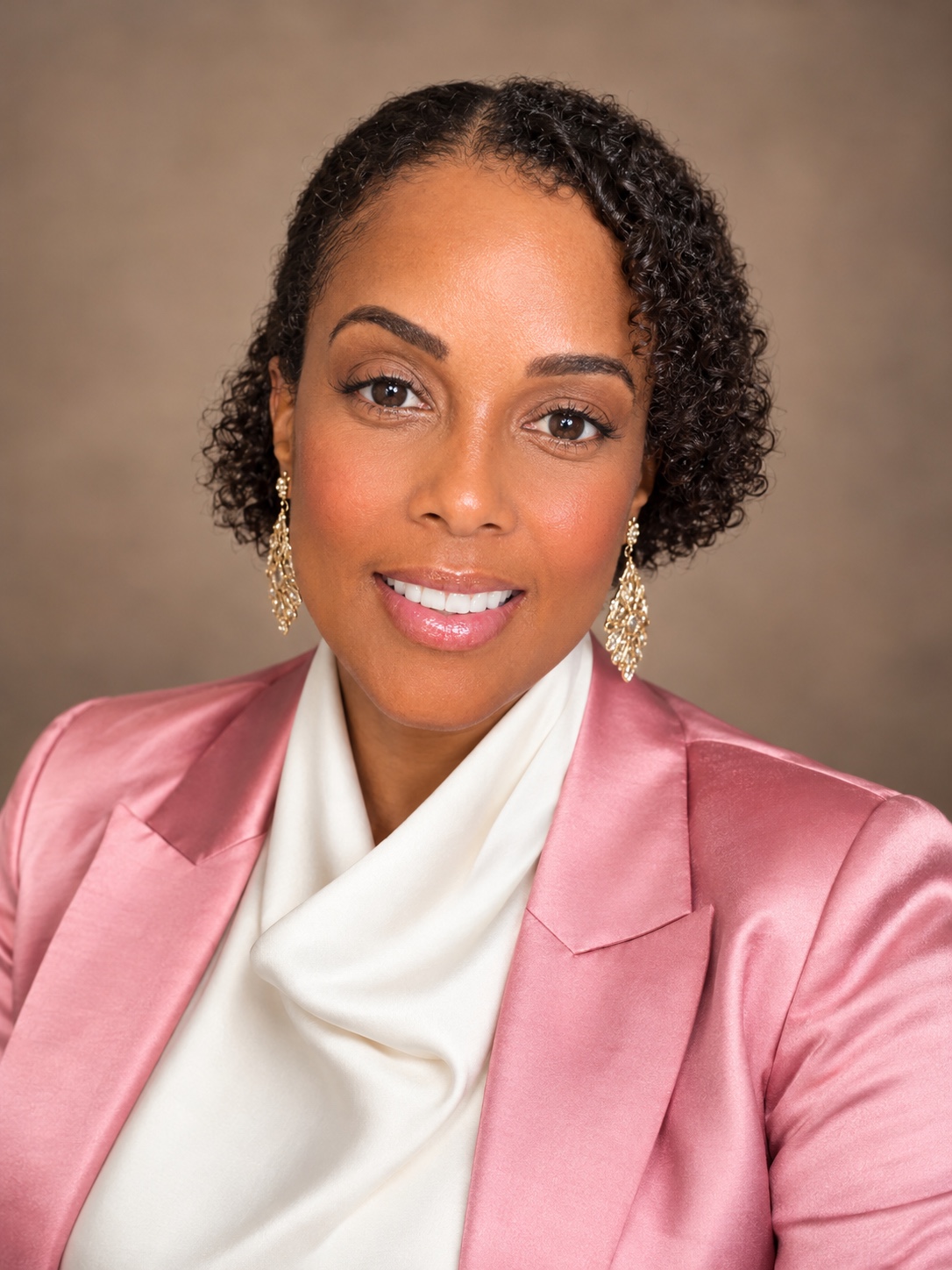

“Stacking is the discipline of solving more than one problem at a time.”
Families that build lasting wealth often use more than one strategy. The either/or question (Roth IRA or whole life policy?) can cost them the compounding that comes from combining strategies. Stacking is the discipline of coordinating tools that solve different problems, in the right order, with your whole team looking at the same picture.
The either/or question
Here is something nobody tells high earners: households that build lasting wealth often rely on more than one strategy. They may combine a Roth conversion ladder, a whole life policy funding an infinite banking structure, a properly structured business entity and a 529 alternative for the kids.
Meanwhile, many people are still asking, “Should I do the Roth IRA or the whole life policy?” That either/or question can cost you the compounding effect that helps wealthy families stay wealthy.
Stacking is a discipline, not a strategy
Stacking is not a strategy of its own. It is the discipline of recognizing that the tools in this series solve different problems, and that solving more than one problem at a time is how compounding can accelerate.
Qualified accounts
A Roth or traditional IRA solves part of the retirement puzzle, but as our post on retirement account limits showed, high earners can hit the ceiling quickly.
Infinite banking
Addresses a liquidity and access problem.
A properly structured business
Addresses an income-treatment problem (see our post on business owner advantages and our post on structuring your business).
An estate plan
Addresses a transfer problem.
None of these compete for the same dollar the way people assume. They are often designed to work on different dollars, at different times, for different purposes, inside the same household.
The families who seem to have it figured out usually are not smarter or luckier. They stopped treating each strategy as a standalone decision and started treating their whole financial life as one coordinated system.
Who this is for
This post is for the reader who has read a few strategy posts in this series, nodded along with each one and is now asking an uncomfortable question: do I do all of these, or pick one? If you are a business owner or high-income professional with more than one goal in play, such as reducing taxes now, building tax-advantaged retirement income, protecting the family and funding your children's future, stacking is built for you.
How it works with a real team
Stacking without coordination is how people end up overfunded in one account, underprotected in another and out of sync with what their CPA filed last April. That is why we build these plans with your CPA, tax professional or estate attorney, or connect you with one of ours if you do not have that team yet. We work across all 50 states, so this coordination happens wherever you or your professionals are located. A stacked strategy only works if everyone touching your finances is looking at the same picture.
The most expensive myth
The most expensive myth in this series is “I should master one strategy before I think about the next.” In practice, sequencing and stacking usually need to be planned together, from the start, because the order in which you implement things can change the tax outcome.
Funding a whole life policy before or after a Roth conversion year, for example, can materially change your available cash flow and your tax bracket management. A single-strategy mindset rarely catches that.
List the goals you have right now, such as lowering taxes, retirement income, protection and your children's future, and note which tool is serving each one.
What to do next
Seeing how two or three strategies fit together in your own numbers, not in theory, is the next step. Book a consultation to talk through which combination fits your goals and in what order.
For a plain-language overview of how families build wealth, read our free wealth guide, The Millionaire Playbook.
Make your next financial decision a coordinated one.
Explore more practical financial education from Winning In Wealth and start making more intentional decisions about your financial future.
About the author
Natalie Taylor is the founder of Winning In Wealth, a financial services agency established in 2015 to empower individuals and business owners to make money, keep money, build wealth and create a legacy. She is licensed in all 50 states, previously worked on Wall Street with Credit Suisse and Ernst & Young, and holds an MBA in Strategy and a BSc in Accounting and Finance. Read her full bio
Educational disclosure
This article is for general education and does not constitute individualized investment, insurance, tax or legal advice. Financial products and strategies involve costs, limitations and risks. Any guarantees depend on contract terms and the issuing insurer's claims-paying ability. Examples are hypothetical. Consult appropriately qualified professionals before making decisions.